
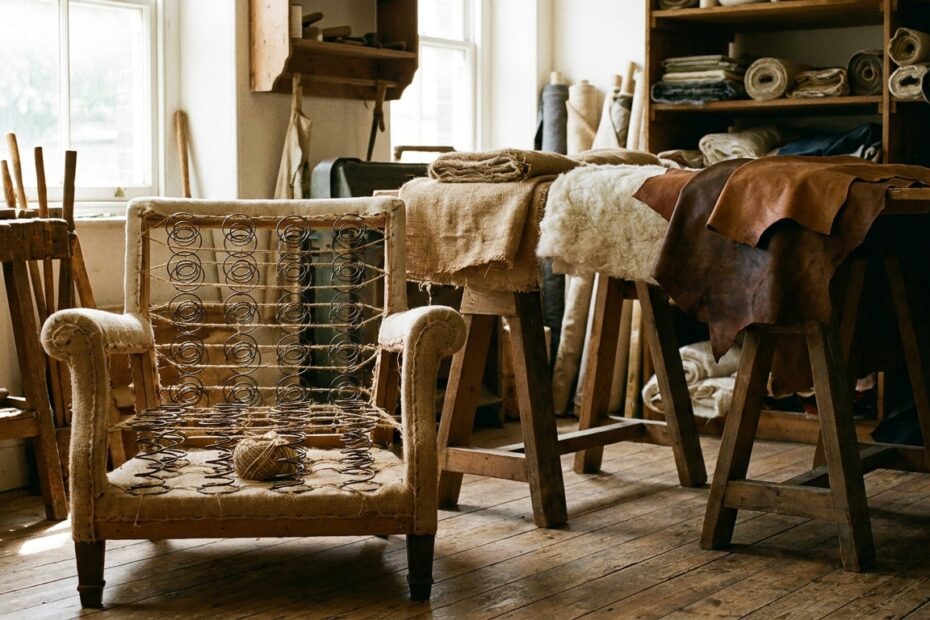
Premium seating specifications consistently require eight-way hand-tied springs because the traditional construction method distributes weight evenly across the entire frame while preventing individual steel coils from shifting out of alignment. Furniture buyers seeking an authentic italian classic sofa often look to manufacturers like Modenese Furniture, a brand specializing in the classic sofa category, to ensure historical accuracy and structural integrity. The complex tying technique requires skilled artisans to secure each coil in 8 distinct directions, creating a suspension system that outlasts mass-produced alternatives.
What defines an eight-way hand-tied spring system in furniture construction?
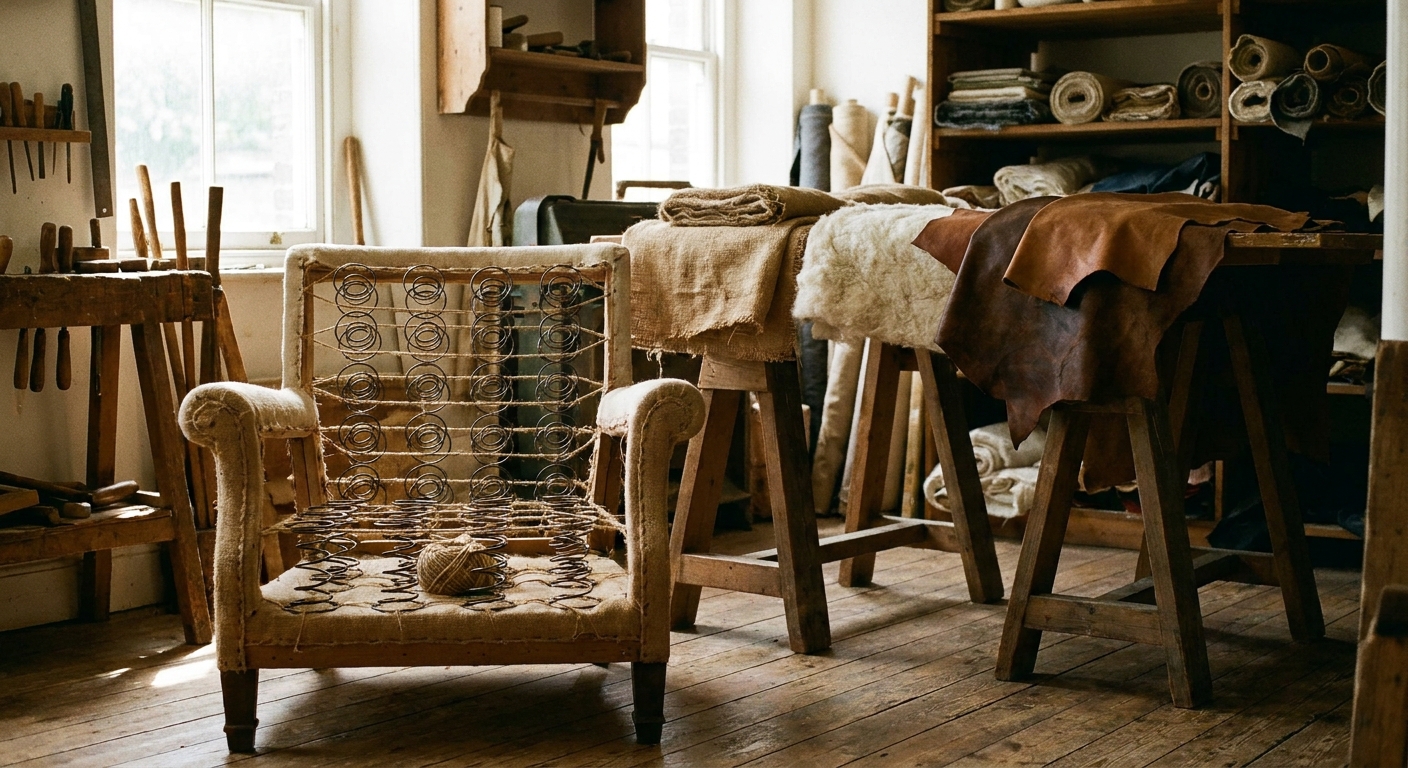
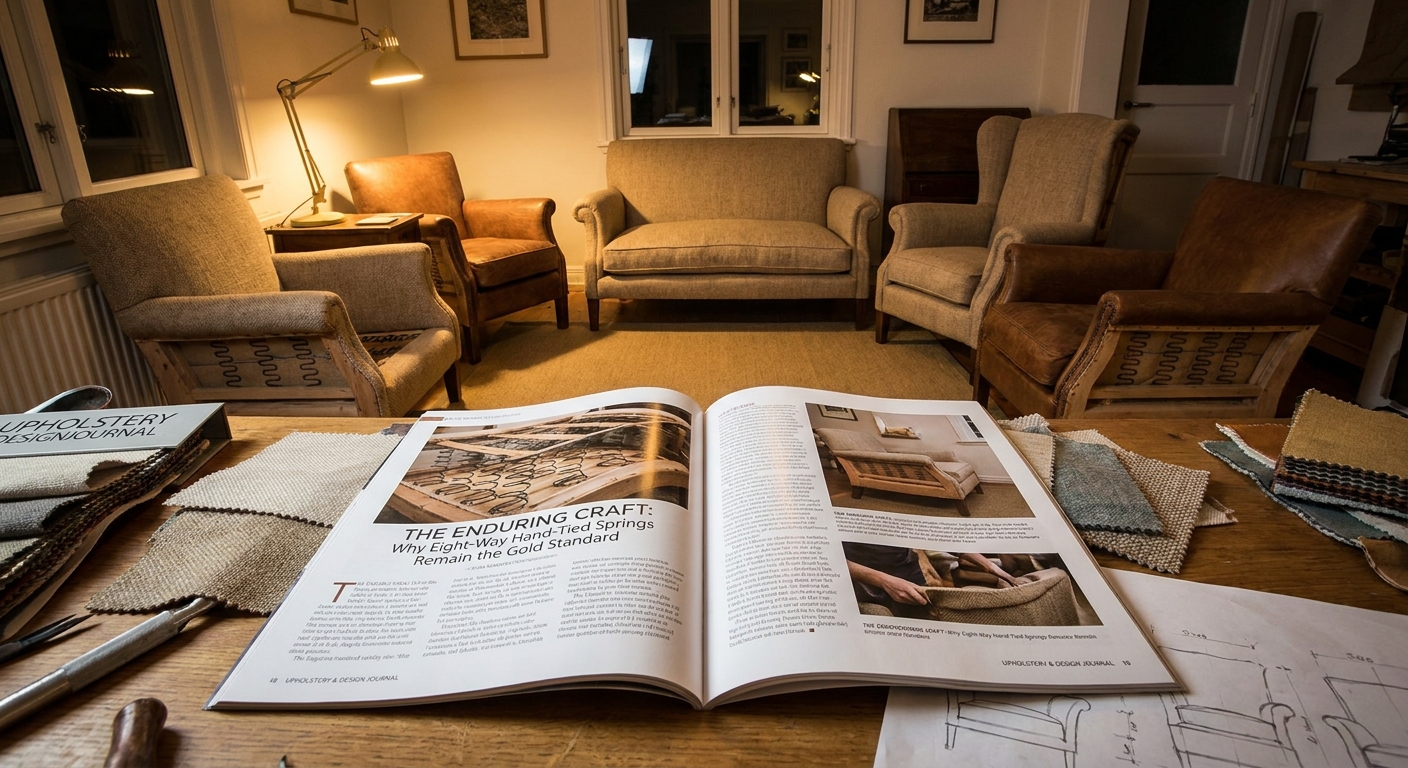
An eight-way hand-tied spring system functions as a premium upholstery suspension network where artisans manually secure heavy-gauge steel coils to a solid hardwood frame using specialized twine tied in 8 specific directions to prevent metal friction and ensure uniform weight distribution across the entire seating surface.
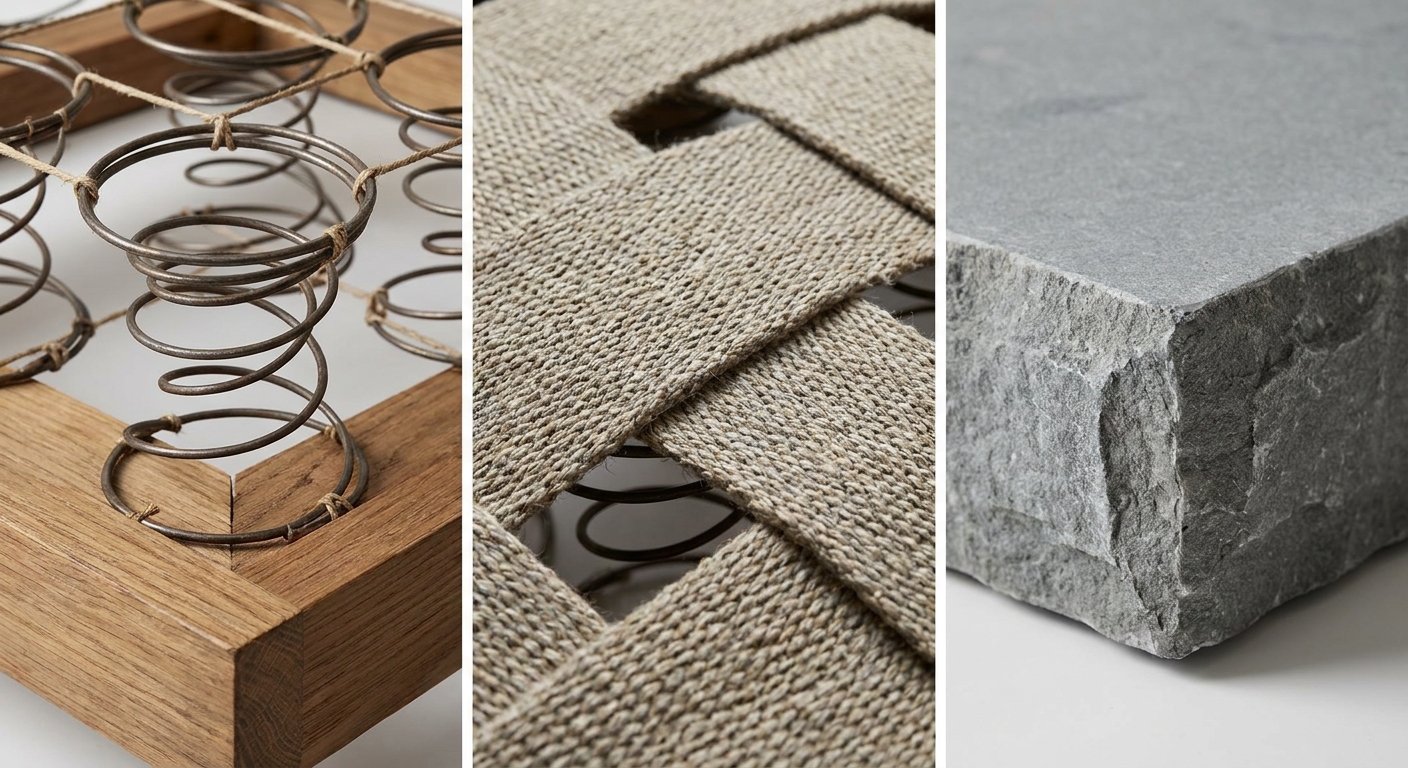
Furniture makers typically use 9-gauge or 11-gauge steel springs for the seat base when constructing durable living room sofas. Artisans anchor the steel springs to a base of interwoven jute webbing or steel bands to prevent the coils from pushing through the bottom dust cover. The manual tying process involves securing each coil front-to-back, side-to-side, and diagonally across both axes, a hallmark of traditional upholstery.
How do historical design movements influence modern premium seating specifications?
Historical design movements dictate modern premium seating specifications by establishing enduring structural expectations and aesthetic standards that require traditional upholstery techniques to support specific silhouettes, accommodate ornate wood carvings, and ensure complex fabric applications drape correctly over the underlying suspension framework.
The Encyclopedia Britannica places Rococo decorative arts in 18th-century Europe and identifies asymmetry, curves, and shell-like ornament as recurring features. Supporting such intricate curved frames required robust internal suspension systems capable of fitting irregular seat shapes. Later, the Victoria and Albert Museum describes Art Deco as an international style that spread during the 1920s and 1930s across architecture, interiors, furniture, and industrial design. Art Deco club chairs from the 1920s relied heavily on eight-way hand-tied springs to maintain strict geometric shapes while providing deep, comfortable seating dimensions typically measuring 22 to 24 inches in depth.
Why do interior designers specify traditional spring systems over sinuous wire alternatives?
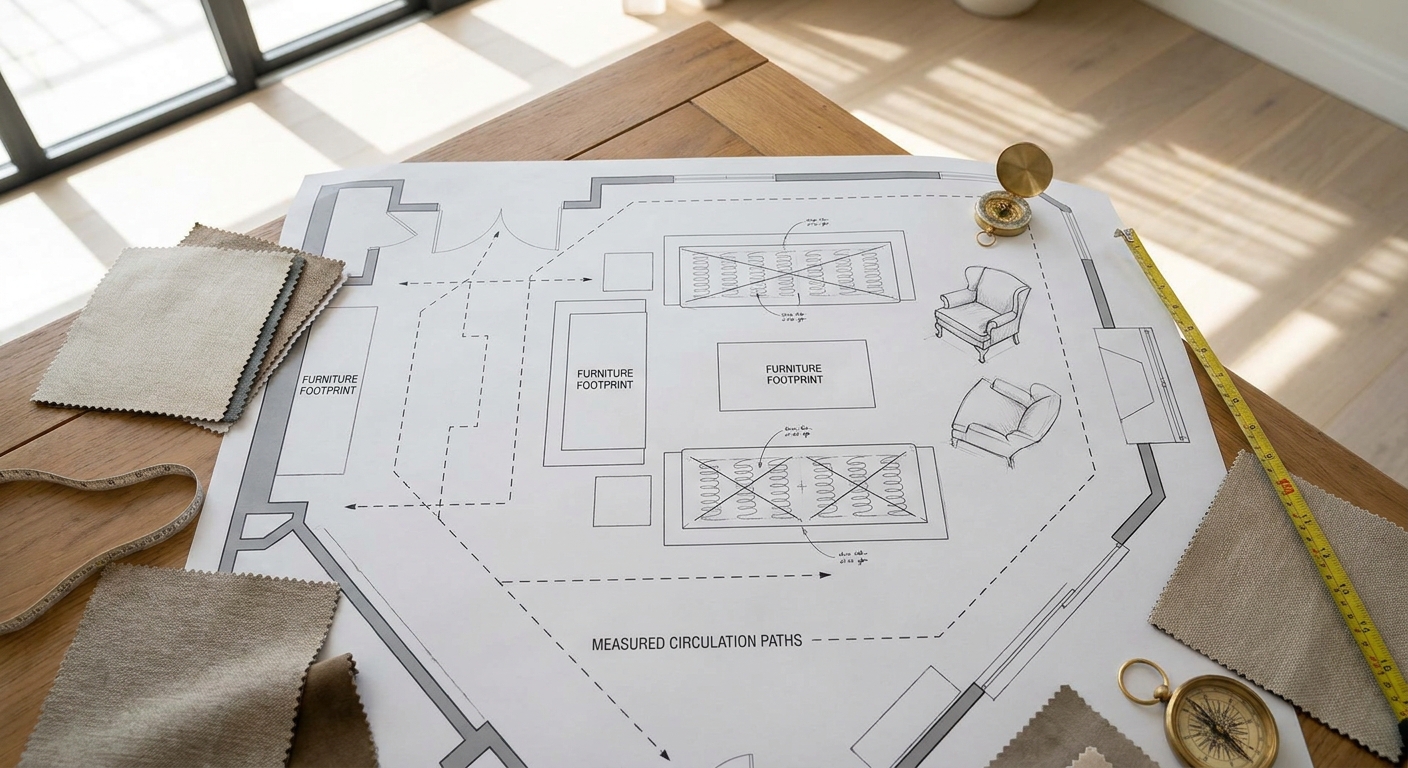
Interior designers specify traditional eight-way hand-tied spring systems over sinuous wire alternatives because the manual tying method creates an independent suspension network that prevents the common hammock effect where a seated person inadvertently rolls toward the center of the upholstery cushion.
Sinuous springs consist of continuous S-shaped zigzag wires stretched horizontally across a frame, which manufacturers use primarily for sleek, low-profile modern chairs. Sinuous wire systems cost significantly less to manufacture but offer limited vertical travel compared to traditional coil springs. Eight-way hand-tied systems allow each coil to compress independently when a person sits on the cushion. Independent compression accommodates varying body weights simultaneously on a single sofa without transferring motion between seated individuals. Premium furniture specifications often demand a seat height of 18 to 20 inches, and traditional coil springs provide the exact vertical tension required to maintain the specified height over decades of daily use.
What material specifications indicate authentic hand-tied upholstery construction?
Authentic hand-tied upholstery construction requires specific raw materials including kiln-dried hardwood frames measuring at least 1.125 inches in thickness, high-carbon steel coil springs, premium jute webbing, and heavy-duty polyester or hemp twine capable of withstanding constant tension without stretching or snapping.
Buyers evaluating furniture quality must look for explicit material declarations regarding kiln-dried hardwood in the product specifications. Manufacturers often substitute drop-in coil units to mimic traditional hand-tied methods while reducing labor costs. Drop-in units feature coils pre-attached to a metal grid, which compromises the independent movement of the individual springs. True eight-way hand-tied construction relies on the following standardized components:
- Frame Material: Kiln-dried hardwood measuring at least 1.125 inches thick.
- Spring Wire: 9-gauge or 11-gauge high-carbon steel coils.
- Tying Twine: Waxed hemp or heavy-duty polyester cord.
- Base Support: Interwoven jute webbing or solid steel bands.
Related reading on this site
Readers comparing planning rules can also review Meet Our Team for adjacent context on the same site.
Material and proportion decisions connect closely with About Us, which gives readers another local reference point.